
Phone : 9147702024

Email: rimjhim177@gmail.com


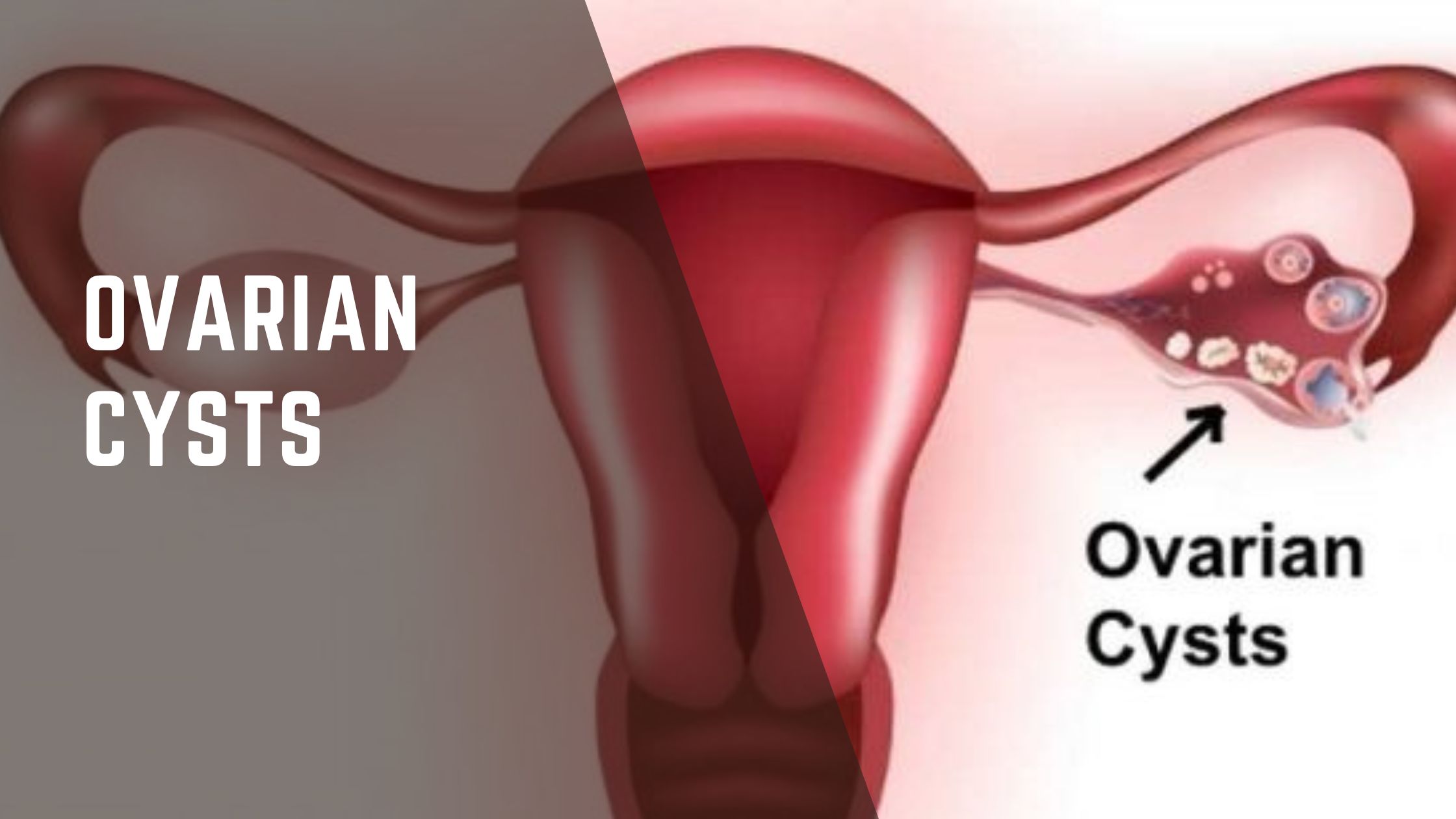
An ovarian cyst is a small sac filled with fluid or semisolid material that forms on or within one or both of your ovaries. There are different types of ovarian cysts, most of which are painless and noncancerous (benign). Ovarian cysts don’t always cause symptoms. You likely won’t know you have one unless your healthcare provider finds one during a pelvic exam or pelvic ultrasound.
Rarely, ovarian cysts can cause complications. Scheduling regular pelvic exams and speaking with your provider about any symptoms you may be experiencing can help troubleshoot any problems with an ovarian cyst.
Ovarian cysts are extremely common, especially if you haven’t gone through menopause yet.
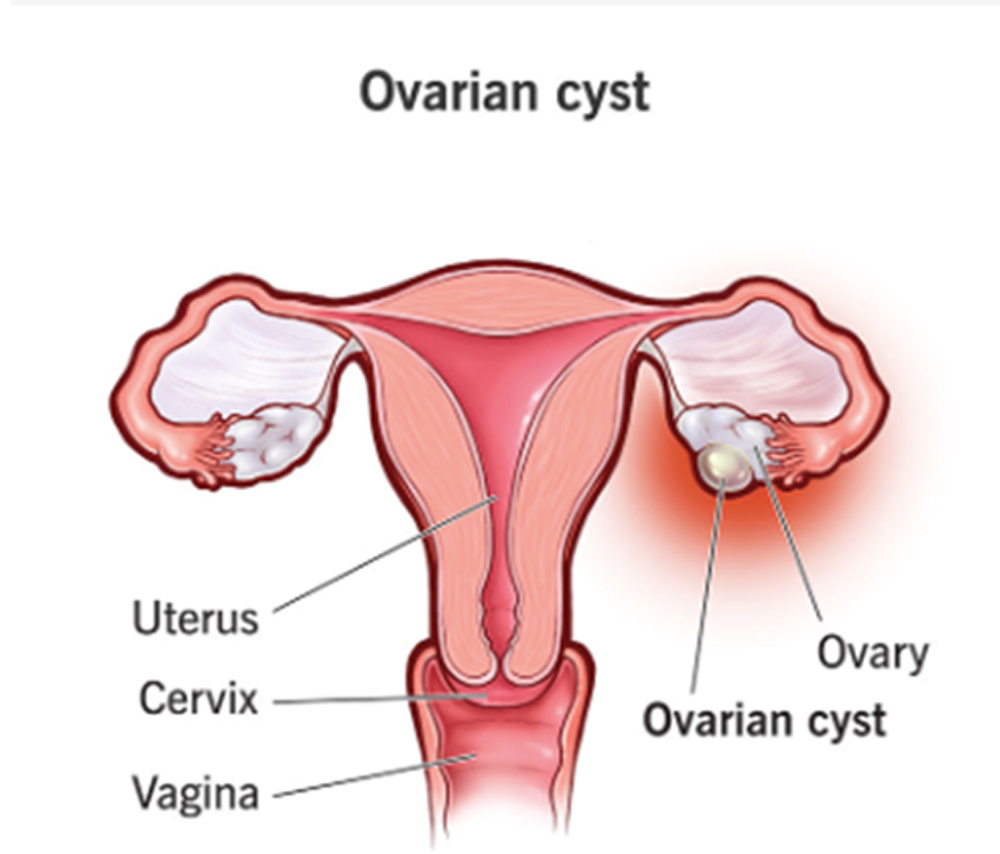
Most ovarian cysts are functional cysts. They form in response to your body’s changes during your menstrual cycle. Less commonly, ovarian cysts form for reasons unrelated to your period.
Functional cysts are the most common type of ovarian cyst and aren’t disease-related. They occur as a result of ovulation. These cysts can be a sign that your ovaries are functioning as they should. Functional cysts generally shrink over time, usually within 60 days, without treatment. Sometimes, functional cysts are called simple cysts. They include:
Usually, no. Most ovarian cysts are harmless, and they often eventually go away on their own. Some types of cysts are more likely to become cancerous or cause complications, but this is rare. Less than 1% of ovarian cysts are cancerous. Your healthcare provider can closely monitor any concerning cysts to reduce your risk of experiencing complications.
Some smaller cysts cause no symptoms. In these cases, you may not even know you have a cyst. Larger cysts may cause:
Symptoms that linger could indicate a condition called polycystic ovary syndrome (PCOS). PCOS is a condition that causes irregular menstrual cycles and an increase in androgens that may cause cystic acne, difficulty with conception and weight gain.
The experience of having an ovarian cyst varies from person to person. You may feel:
Ovulation is the leading cause of ovarian cysts. It’s a natural process that happens during your menstrual cycle. Other causes include:
Anyone with ovaries can develop an ovarian cyst. Your chances increase based on your:
Most cysts don’t cause any serious complications. Your healthcare provider can let you know if they think an ovarian cyst is likely to lead to complications. Some of the most common complications are:
Seek medical assistance right away if you’re experiencing the symptoms of a ruptured ovarian cyst or ovarian torsion.
A ruptured or burst ovarian cyst typically feels like sudden, sharp pain in your pelvis (typically lower and off to the side). The pain is often intense and severe. Other symptoms of a burst ovarian cyst are:
Your healthcare provider will first rule out pregnancy as the cause of your symptoms by giving you a pregnancy test. Then, they may use the following tests to diagnose an ovarian cyst:
Treatment will depend on factors like your symptoms, the type of cyst and what’s causing it. Options could include monitoring the cyst over time, medication or surgery to remove the cyst. Treatment can also depend on your age and if you’ve reached menopause.
Functional ovarian cysts usually go away without treatment. If your cyst is likely functional, your provider may suggest a wait-and-see approach. You may have a follow-up ultrasound within a few weeks or months after your diagnosis to see if your cyst is getting larger, smaller or changing in any other way. This is typically the first treatment approach since most ovarian cysts are small and benign
Your provider may give you medications containing hormones (such as birth control pills) to stop ovulation and prevent future cysts from forming.
If a cyst is causing symptoms and getting bigger, you may need surgery to remove it. The type of surgery depends on the size of the cyst and how it appears on the ultrasound. The different procedures used include:
If your provider suspects a cancerous cyst, they may consult with a cancer specialist, or gynecological oncologist, about the best treatment options for you.
Healthcare providers determine if they need to remove a cyst based on a few factors:
Your provider will also consider factors like your age, health history and if you wish to pregnant. Be sure to ask your provider any questions you have about removing an ovarian cyst.
It depends on the type and the cause. Some ovarian cysts don’t need treatment and go away on their own over time. Others require treatment or immediate removal because they’re signs of more serious health conditions. You should discuss all the treatment options with your healthcare provider and see what they recommend based on your diagnosis.
Taking medications that contain hormones will stop ovulation. Once ovulation stops, some cysts won’t grow. Some studies suggest that a birth control pill reduces the chances that certain types of cysts will come back. But medications that contain hormones aren’t for everyone.
Usually, ovarian cysts are harmless enough that prevention shouldn’t be a concern. Instead, take note of any unusual symptoms in your pelvis and tell your provider about them. Schedule regular pelvic exams so that your provider can find any cysts that require treatment.
Most cysts are functional cysts and will go away within a few months. You may need follow-up appointments with your provider to make sure a cyst isn’t growing or causing symptoms. Follow your provider’s advice closely if they see a cyst that could cause complications in the future. Your provider may suggest watchful waiting, prescribe medications or recommend a mixture of both. For more concerning cysts, you may need surgery.
Most ovarian cysts aren’t a cause for worry. Your healthcare provider can tell you when a cyst needs closer attention or if it’s completely harmless. Cysts that cause symptoms or that keep growing bigger require closer monitoring than others. Keep track of any symptoms you’re experiencing so that you can tell your provider about them. Follow their advice on how often you should be scheduling appointments to monitor your cysts.
Call your healthcare provider if any of the following occur:
Get help immediately if you notice signs of ovarian torsion or ovarian cyst rupture:
N.B. The content provided on this blog page has been sourced from definitive and credible resources to ensure accuracy and reliability. We do not claim ownership of all the information shared.